CONCERTO contributes to LEMONTREE workshop on Energy Partitioning
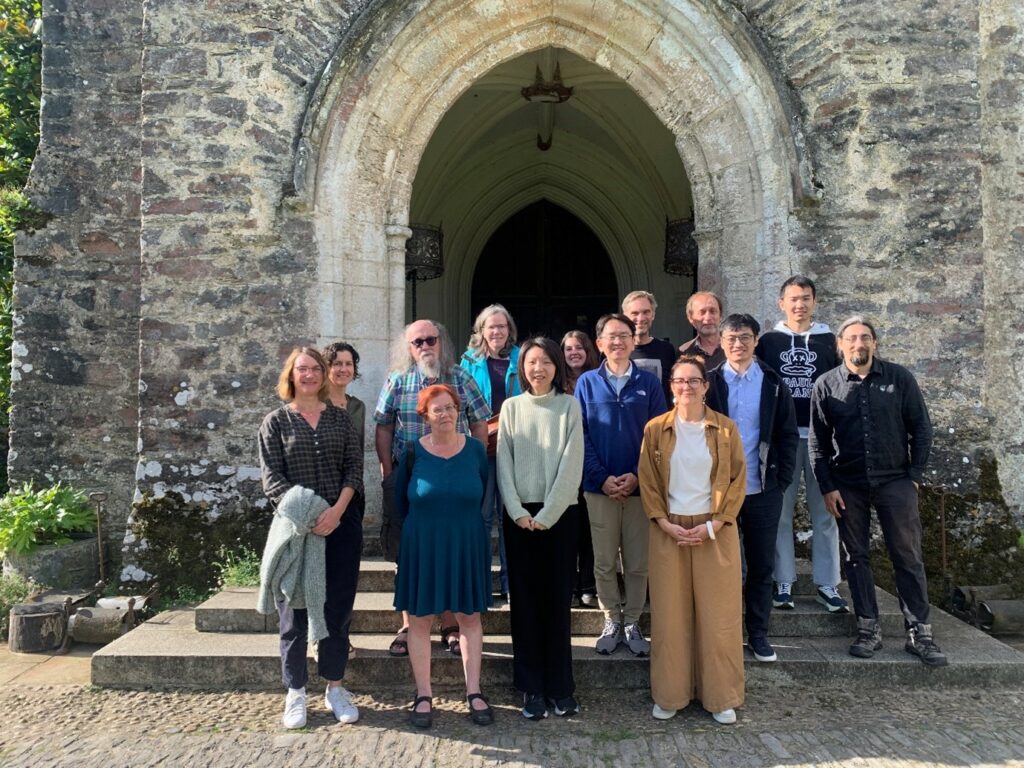
On 22 September, 2025, CONCERTO participated in the LEMONTREE project's workshop on Energy Partitioning, which brought together researchers working at the interface of Earth observation, ecosystem modelling and plant physiology to advance the understanding of photosynthesis and terrestrial ecosystem functioning.
Building on discussions initiated during the first workshop in 2024, this year's meeting focused on the role of non-photochemical processes, the evaluation of hybrid modelling approaches, and the identification of key observations needed to strengthen the integration of satellite measurements with ecosystem models. The workshop provided a collaborative forum for exchanging knowledge on the use of Earth observation data to better represent photosynthetic processes across different spatial scales.
As part of the programme, CONCERTO contributed a presentation and discussion on solar-induced fluorescence (SIF) and scaling, highlighting research relevant to the project's efforts to improve the representation of terrestrial carbon cycle processes through the integration of Earth observation, modelling and data assimilation. The session contributed to broader discussions on how SIF observations can support the development and evaluation of next-generation ecosystem and land surface models.
Throughout the workshop, participants explored current challenges and future opportunities for linking leaf-level processes with ecosystem-scale observations, comparing existing modelling approaches, and identifying the measurements required to better constrain satellite observations and improve model performance. These discussions culminated in a shared commitment to advancing collaborative research, including the development of a review paper on energy partitioning and photosynthesis, further work on hybrid model intercomparison, and the identification of priority observations and experiments for future studies.
Here you can find the article developed by the LEMONTREE project on the workshop.