
Jean-François Müller
Biography


The Royal Belgian Institute for Space Aeronomy (BIRA-IASB) is a Belgian federal scientific research institute. Its main tasks are research and public service in space aeronomy, which is the physics and chemistry of the atmosphere of the Earth and other planets, and of outer space. BIRA-IASB studies: the atmospheres of solar system bodies; the impact of the Sun, nature and mankind on atmospheric changes.
BIRA is engaged in Work Package 4, contributing expertise in atmospheric research and space aeronomy.
Jean-François Müller is Head of the Atmospheric Composition Division at BIRA-IASB. He has over 30 years of experience in atmospheric composition and emission modelling, with a special focus on reactive organic compounds and other tropospheric ozone precursors.
Jean-François has developed a 3-dimensional chemistry-transport model, which has evolved over the years into the MAGRITTE regional/global model, which includes adjoint-based inverse modelling capabilities. He also has strong experience with biogenic volatile organic compound emission modelling (MEGAN).
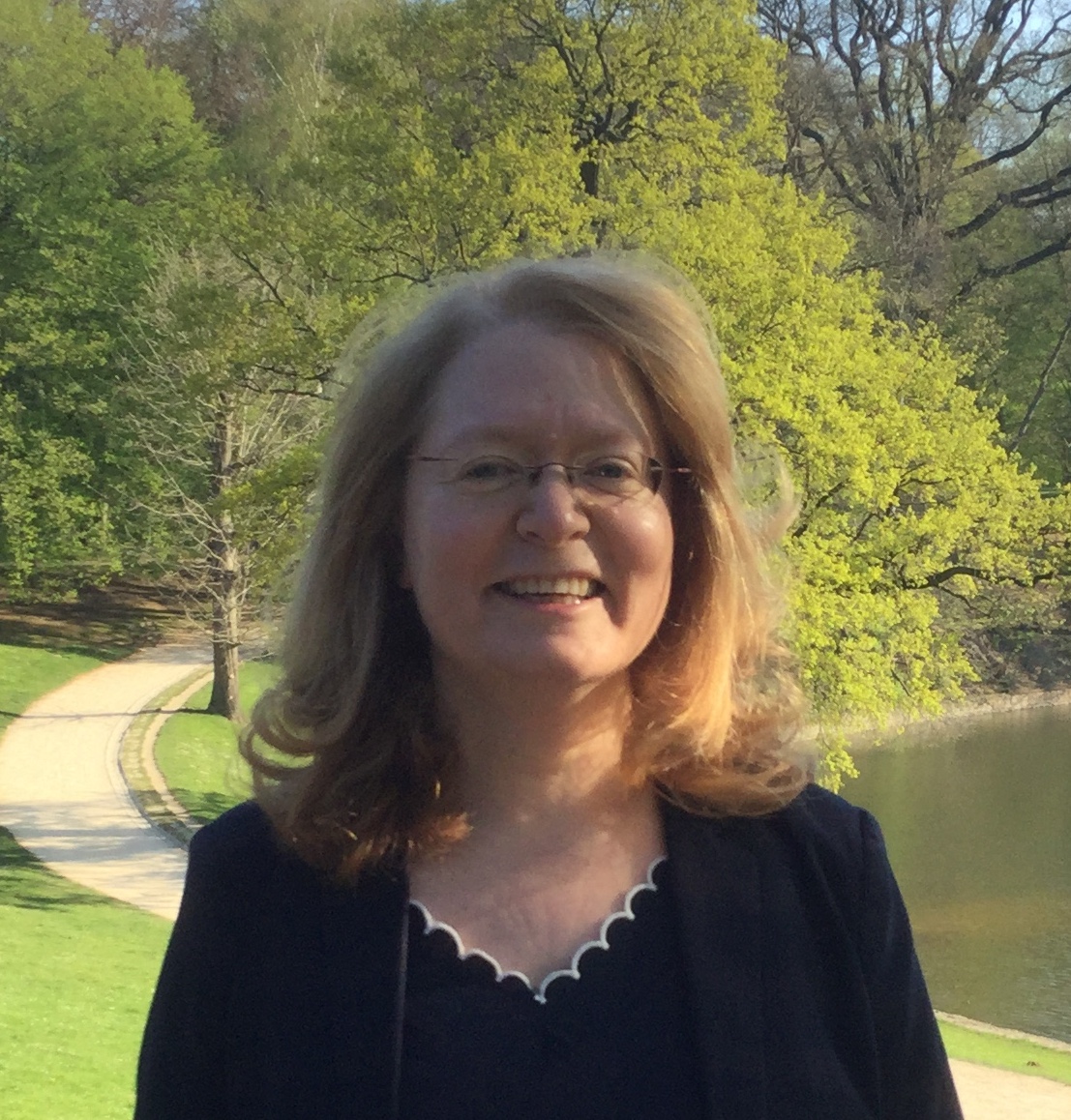
Jenny Stavrakou is Senior researcher at BIRA-IASB, Head of the Tropospheric Chemistry Modelling team. She holds strong expertise regarding emissions, chemistry, tropospheric modelling, as well as inverse modelling of emissions using chemistry-transport models.
She developes advanced inversion frameworks aiming to infer emissions of pollutants from satellite observations. Author of ~100 publications, she is involved in numerous national, European and ESA projects, and is acting co-chair of the IGAC activity AMIGO, an international effort on emission estimation using atmospheric observations and inverse models.
The University of Antwerp is a Flemish university in Antwerp. Spread over nine faculties, 188 programmes are offered. The University of Antwerp has more than 80 buildings spread over four campuses, with the largest library of humanities and social sciences in Belgium.
UA is involved in Work Packages 2 and 4, contributing to research and data analysis within environmental and climate studies.
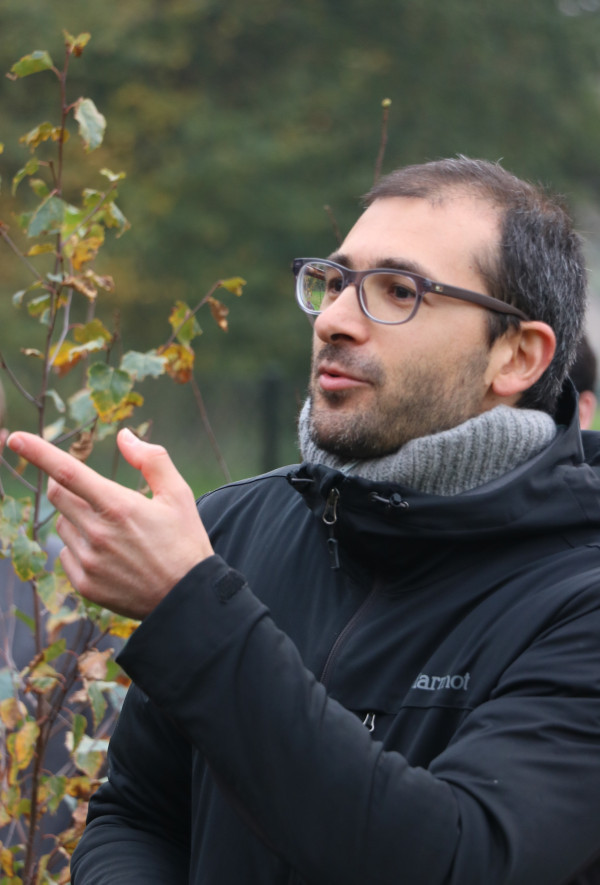
Matteo Campioli is a plant ecologist and associate research professor at the University of Antwerp. His research focuses on plant growth, plant phenology, ecosystem biomass production, and their environmental drivers. He investigates all major terrestrial ecosystems, but in particular temperate forests.
He works at individual-, ecosystem- and global scale, at seasonal and annual level, using field-work, data-analysis and modeling. His research deals with both fundamental questions as well as applications about ecosystem modelling and remote sensing within climate science, global carbon cycle and the anthropogenic impact on ecosystem biomass production.


Since its establishment in 2005, Barcelona Supercomputer Center has developed an active role in promoting high performance computing in Spain and Europe as an essential tool for international competitiveness in science and engineering. BSC has been successful in attracting talent, and their research focuses on five fields: computer sciences, life sciences, Earth sciences, computer applications in science and engineering and computational social sciences and humanities. Their research lines are developed within the framework of European Union research funding programmes, Spanish and Catalan public research calls and collaborations with leading companies.
Within the project, BSC contributes to Work Packages 2, 5, and 6, focusing on high-performance computing applications for climate and environmental modelling.
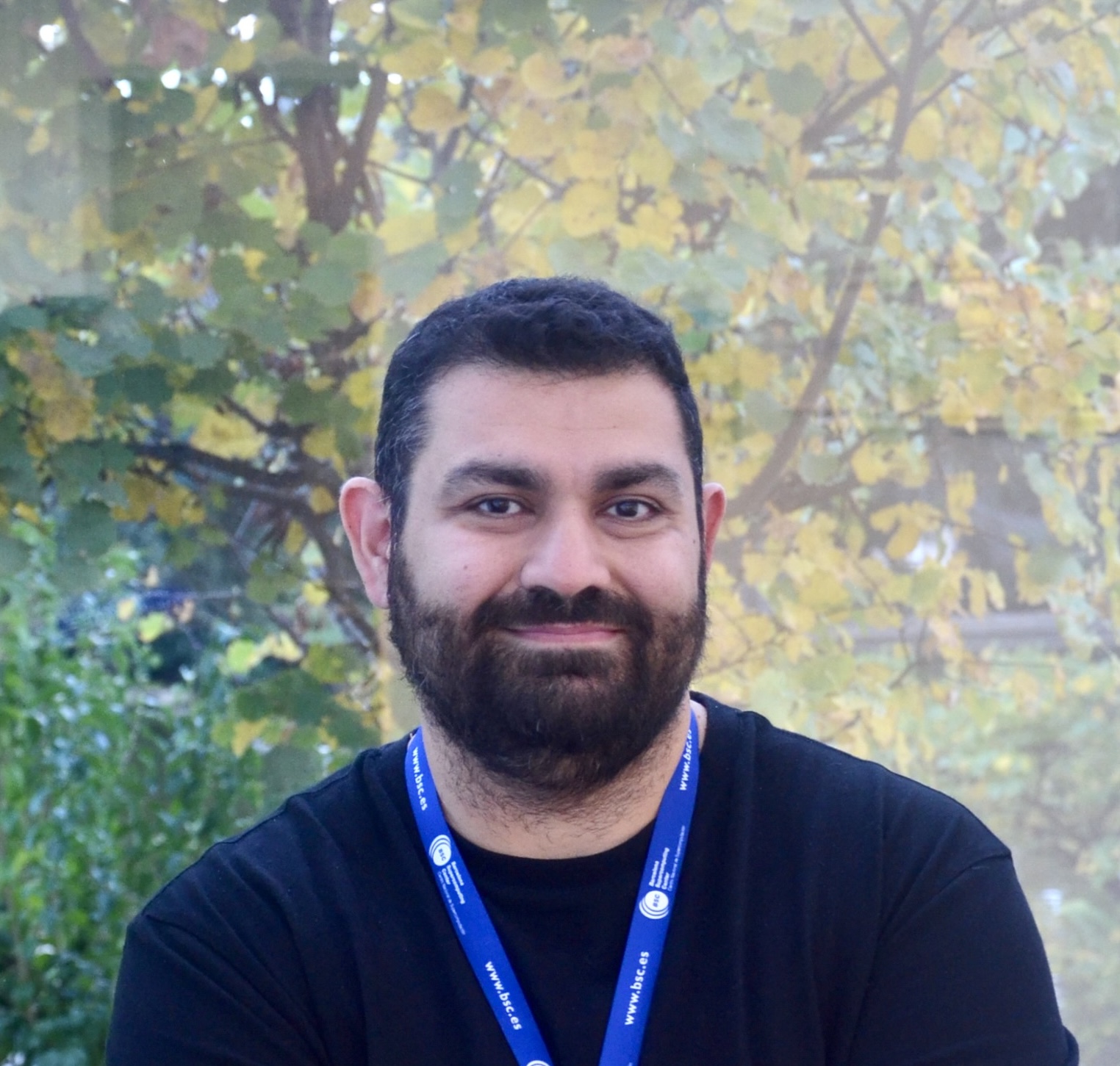
Amirpasha Mozaffari holds a Ph.D. in Computational Geosciences from RWTH Aachen University. Prior to joining the Barcelona Supercomputing Center (BSC), he worked as a Postdoctoral Researcher at the Jülich Supercomputing Centre (JSC).
At BSC, he explores AI approaches to advance the understanding of the terrestrial carbon and water cycles.
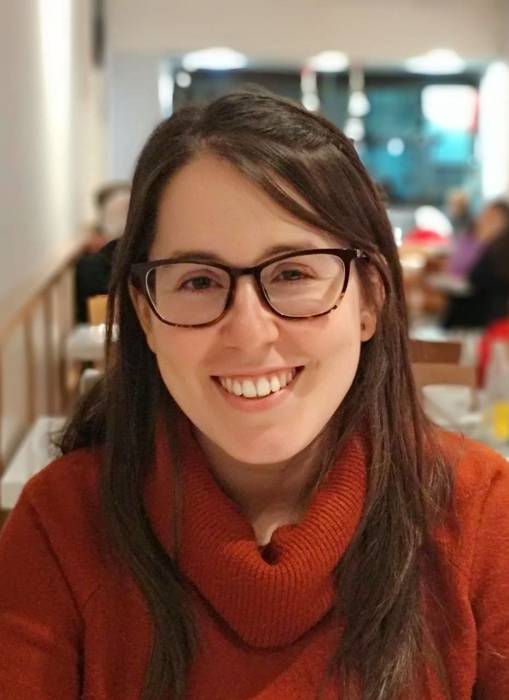
Iria Ayan-Míguez has a bachelor's degree in Physics from University of Barcelona and a master's degree in Astrophysics, Particle Physics and Cosmology from Institute of Cosmos Sciences (ICCUB).
At BSC, she works as a Research Engineer in the High Performance Computing for Earth Sciences Team, focusing on technical developments and integration of new features in the land surface model ECLand and the Earth System Model ECEarth.
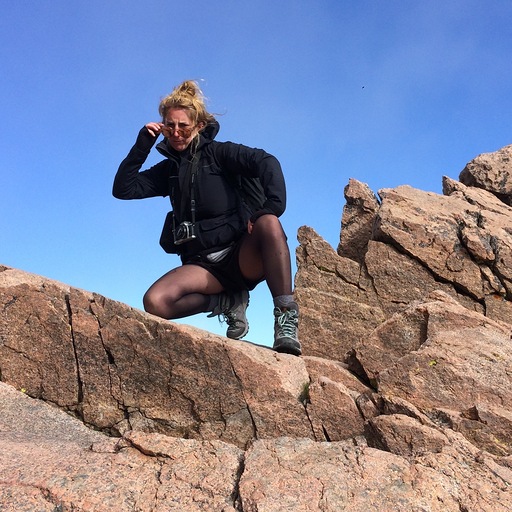
Lina Teckentrup is a researcher at the Barcelona Supercomputing Center. She focuses on modeling vegetation dynamics and the terrestrial carbon cycle, particularly in relation to climate-driven changes across semiarid and arid ecosystems. Lina combines statistical and process-based approaches, including dynamic fire modeling, to understand carbon cycle variability and ecosystem resilience on interannual to multidecadal timescales.
Her recent work explores the resilience and potential tipping behavior of ecosystems, as well as the carbon dioxide removal potential of land-based mitigation technologies (LMTs).
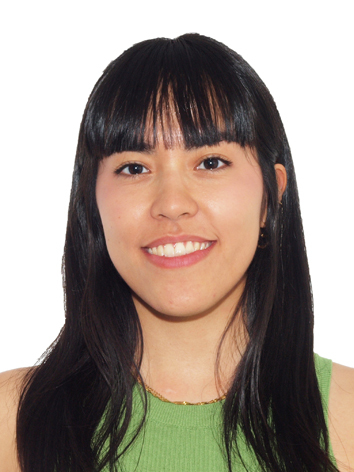
Marina Castaño has an undergraduate degree in Mathematics from the University of Salamanca and a master's degree in Data Science from New York University, obtained under a Fulbright scholarship. She has done research on applying natural language processing models for legal and political documents.
Now, she is part of BSC in the AI Team, working on improving the representation of land surface parameters for weather and climate models
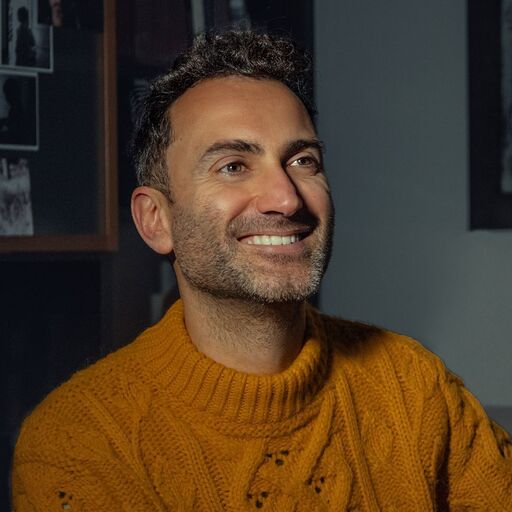
Stefano Materia is Senior Scientist at the Barcelona Supercomputing Center, where he holds a fellowship within an initiative of the Minister of Digital Transformation for talent attraction. He holds a PhD in Geophysics from the University of Bologna and his expertise is on the interaction between land surface and the atmosphere for the understanding of climate variability and predictability.
He has long leading experience in European projects and tenders, and in the interaction with end-users and practitioners for the usability of climate products and services. He currently serves as BSC PI and a Work Package leader for CONCERTO.
CREAF generates knowledge to understand nature through research and collaborates with society to find solutions to environmental challenges at local and global scales. The company is committed to supporting researchers and research managers to integrate responsible open science practices throughout the entire research lifecycle. The main objective of this Unit is to promote, implement, organise & co-coordinate practices that ensure CREAF’s scientific knowledge creation and management is transparent, reliable, diverse, accessible, collaborative and responsible.
CREAF contributes significantly to Work Packages 2, 4, and 5, providing expertise in ecological modelling and sustainability research.
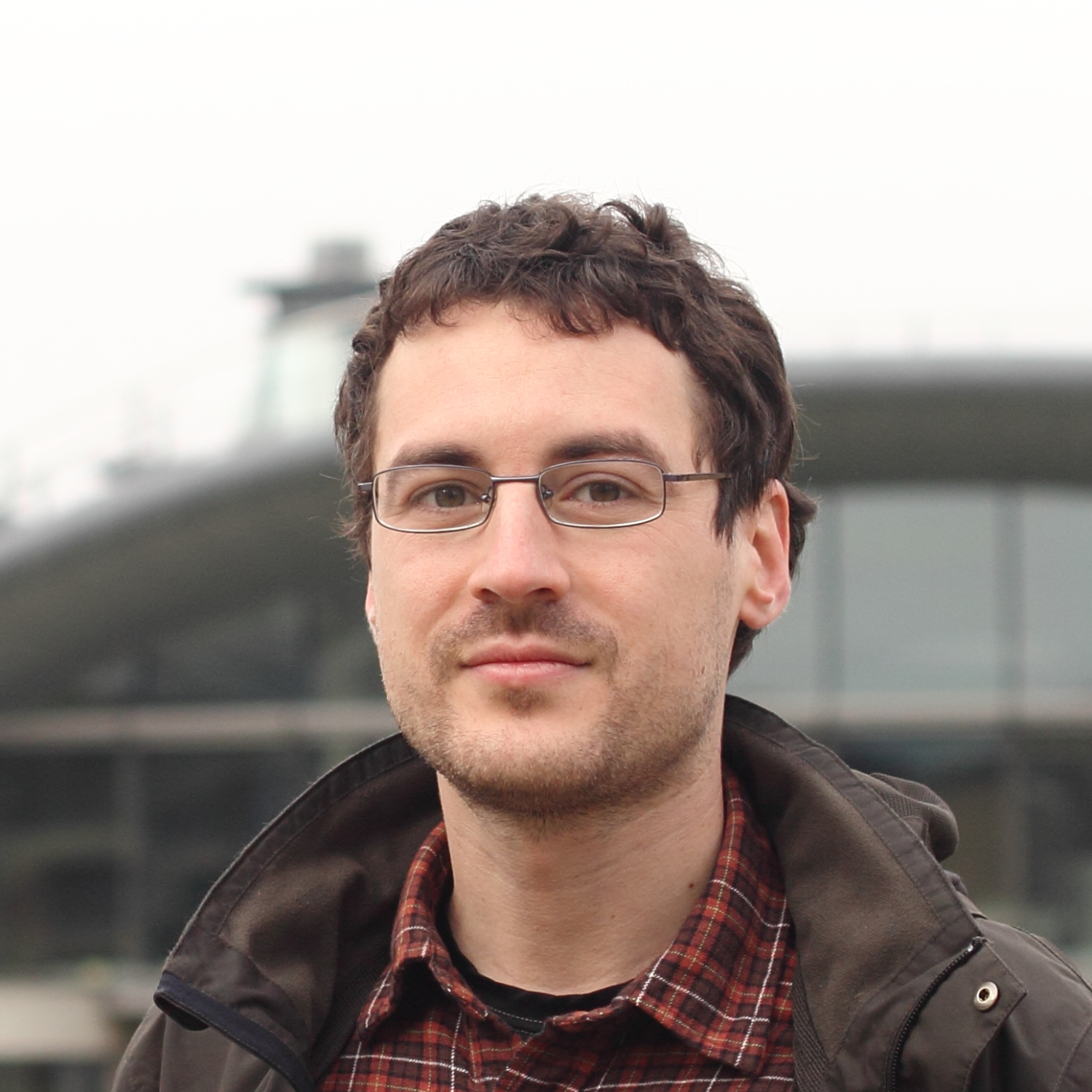
Adrià Descals is an expert in remote sensing, global ecology, fire ecology, land cover classification, and deforestation monitoring.
His work in CONCERTO focuses on the response of terrestrial ecosystems to climate change, using remotely sensed data and machine learning techniques.
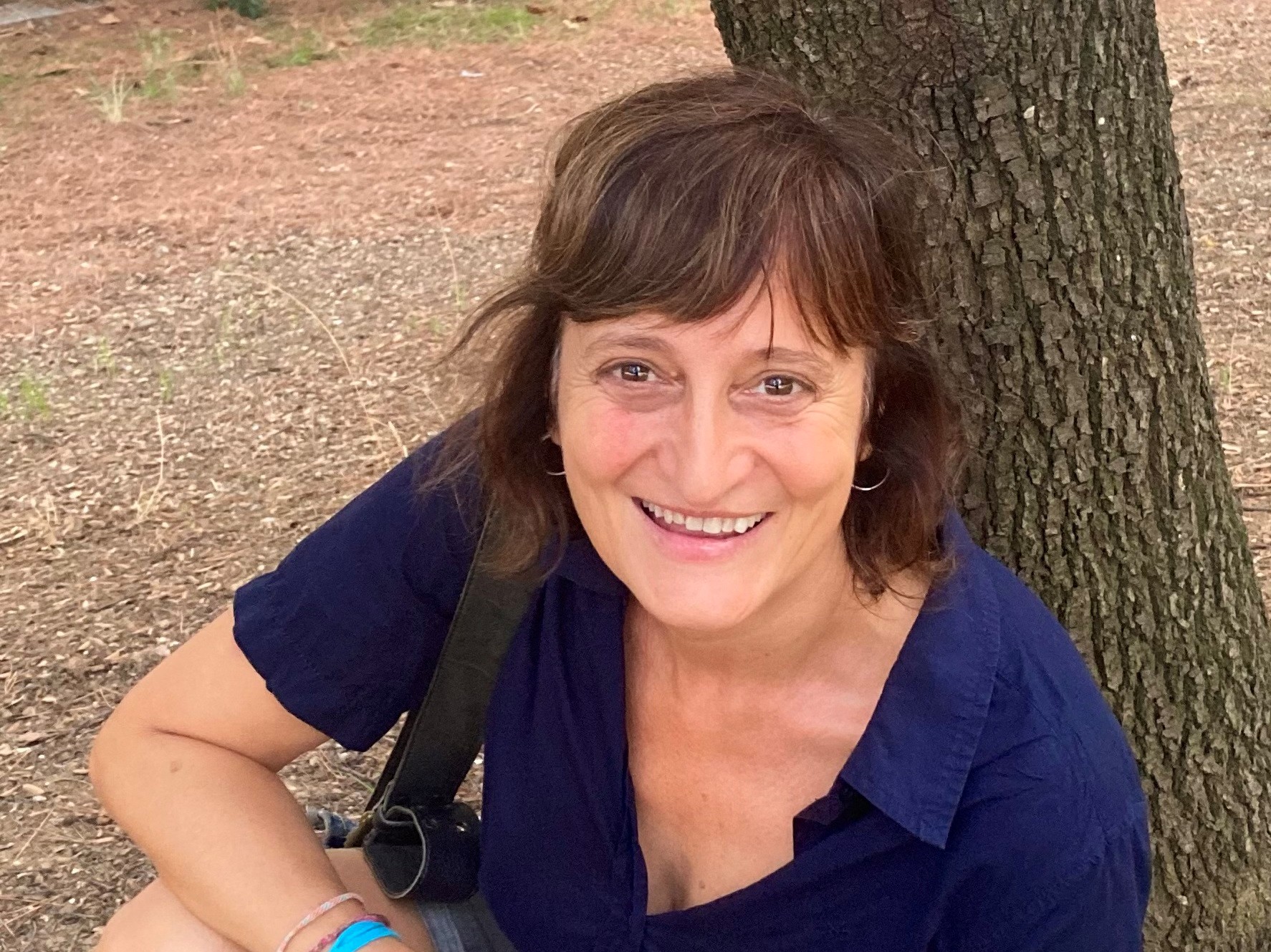
Dr Iolanda Filella is a senior scientist at the Global Ecology Unit (CREAF-CSIC-UAB). Her work focuses on plant ecophysiology, remote sensing, and biogenic volatile compounds.
She has an extensive scientific track record in these fields and provides them in the CONCERTO project.
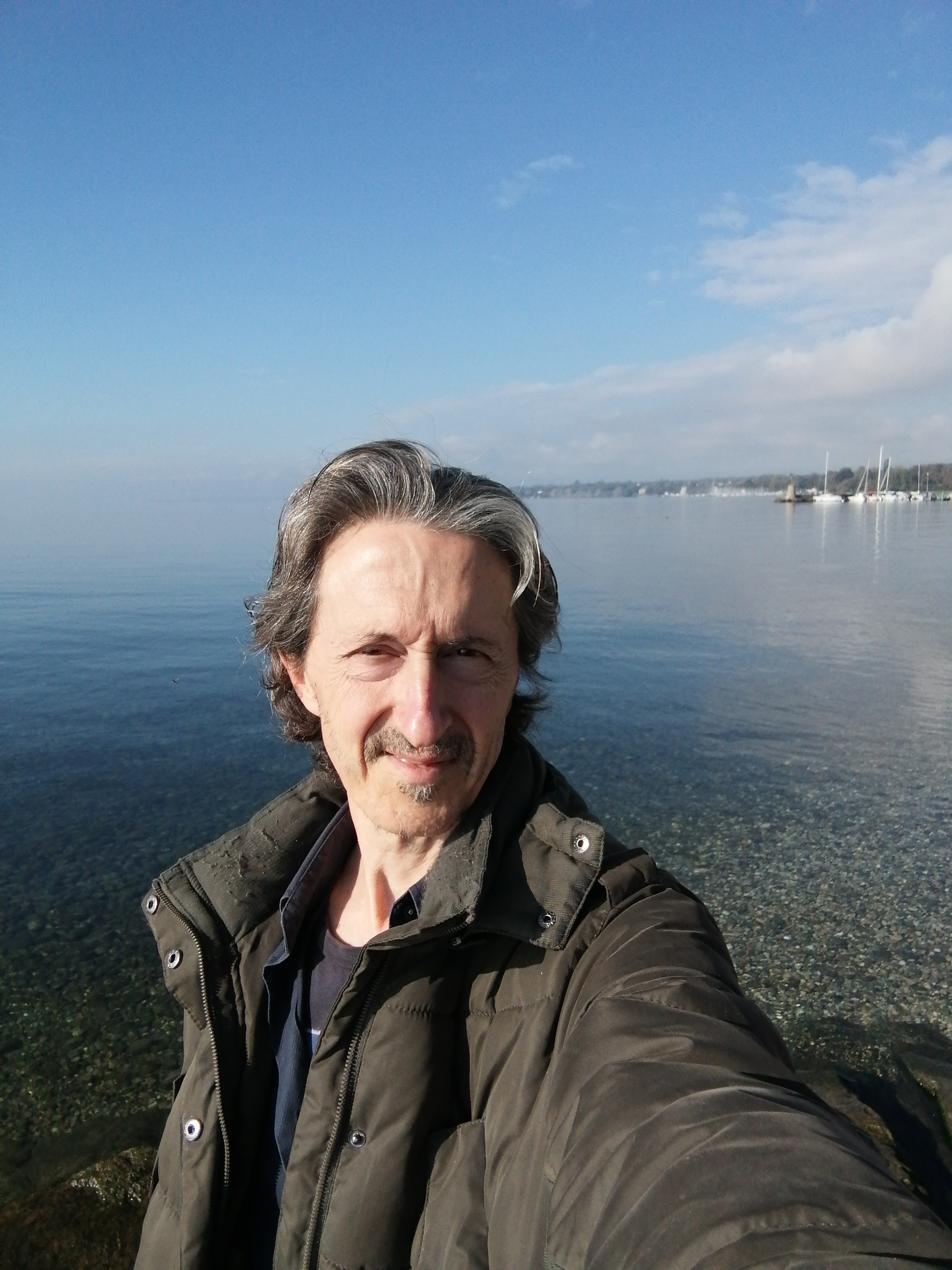
Dr. Joan Llusià-Benet is a researcher at the Global Ecology Unit (CREAF-CSIC-UAB). His work focuses on plant ecology and ecophysiology, biogenic volatile organic compound (VOC) emissions, atmospheric chemistry (especially ozone), and ecosystem responses to environmental change.
He has an extensive scientific track record, with contributions ranging from Mediterranean shrublands to tropical rainforests, covering plant-atmosphere interactions, drought and warming experiments, soil-plant VOC exchanges, and the functional roles of isoprenoids. His research integrates field experiments, gas-exchange measurements, metabolomics, and trait-based ecology to understand how vegetation responds to climate change and how VOC emissions influence ecosystem functioning and atmospheric processes.
Jordi Sardans is a Research Professor at CREAF Barcelona.
Primary focus in CONCERTO is the study of the biogeochemistry of carbon, nitrogen, phosphorus and cations, fields in which he has an extensive track record.
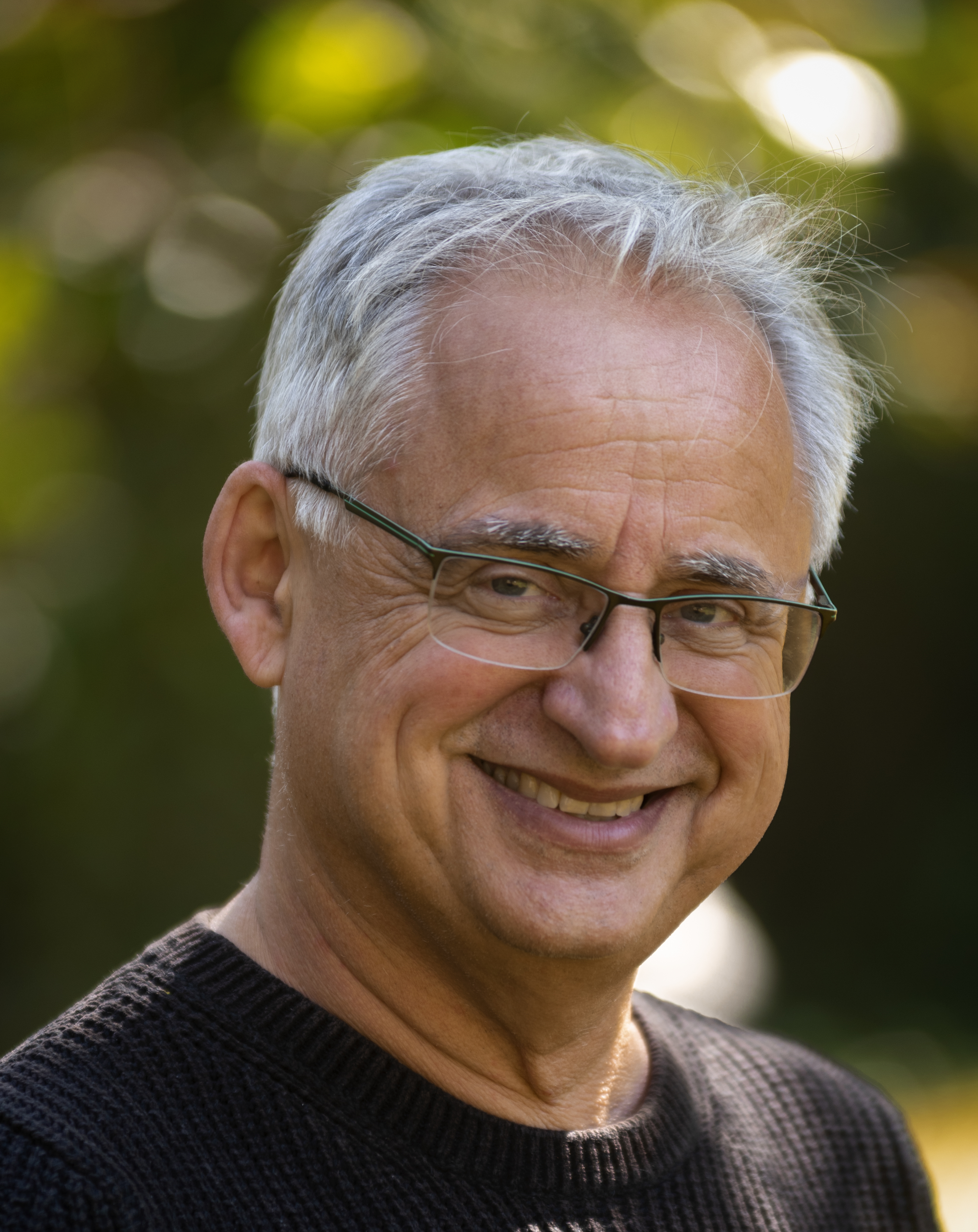
Prof. Josep Peñuelas is the Director of the Global Ecology Unit CREAF-CSIC-UAB-UB Barcelona. He works on all aspects of global ecology, including molecular ecology, ecosystem ecology, theoretical ecology, sustainability, and many other related fields, but with particular focus on carbon and nutrient cycles.
In CONCERTO, he conducts research on remote sensing, biogenic volatile organic compounds, and local, regional and global carbon cycle.

Junlan Xiao is a researcher at CREAF, specialising in climate change and its impacts on Earth’s ecosystems.
Junlan's work focuses on the use of multi-source data and remote sensing to analyse extreme events such as droughts, as well as their influence on the terrestrial carbon cycle. A key area of her research explores the interaction between water availability and elevated carbon dioxite and how this relationship affects vegetation dynamics.



The CMCC Foundation (Euro-Mediterranean Center on Climate Change) is an international, independent, multi-disciplinary research center that studies the interaction between climate change and society. They produce advanced climate research developing cross-cutting and multidisciplinary analyses and data that combine first-class climate modeling with climate change impact modeling and environmental economics. Their activities aim to ensure reliable, rigorous, and timely scientific results that stimulate sustainable growth, protect the environment, and develop science-driven adaptation and mitigation policies in a changing world.
CMCC is actively involved in Work Packages 1, 5, 6, and 8, contributing expertise in climate modelling, environmental monitoring, and adaptation strategies.
Barbara Cardeli has a Ph.D. and a Master's degree in Ecology and Biodiversity.
She is a researcher in the Earth System Modeling and Data Assimilation division in CMCC, where she is part of the Land Modeling group and contributes to projects including CONCERTO, ESA-CMUG, and RESCUE.
She has extensive experience developing and improving ecosystem and biogeochemical cycle models for tropical ecosystems, with additional contributions to large-scale projects like AmazonFACE.
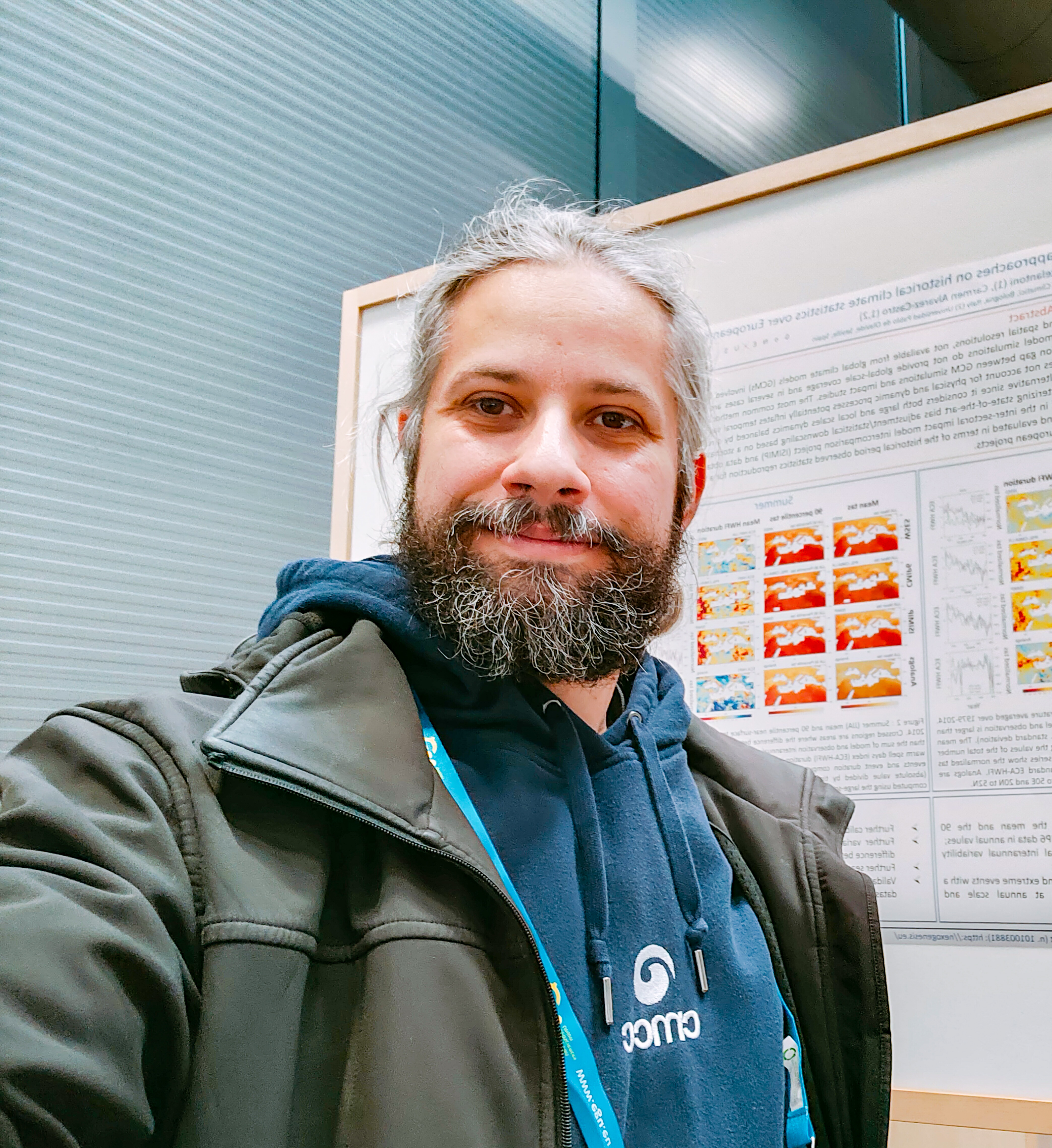
Dr. Daniele Peano is a Scientist at CMCC in the “Earth System Modelling and Data Assimilation” Division. With his PhD and PostDoc background, he specialises in ice sheet modelling, and land surface and climate modelling.
Daniele has contributed to the development of the land component of the CMCC global coupled model with a specific focus on the land biogeochemical cycle, high-resolution configurations, and he is working on the development of the new CMCC coupled model.
He has contributed to various International projects, and he is working on the preparation of CMCC simulations for the next CMIP phase.
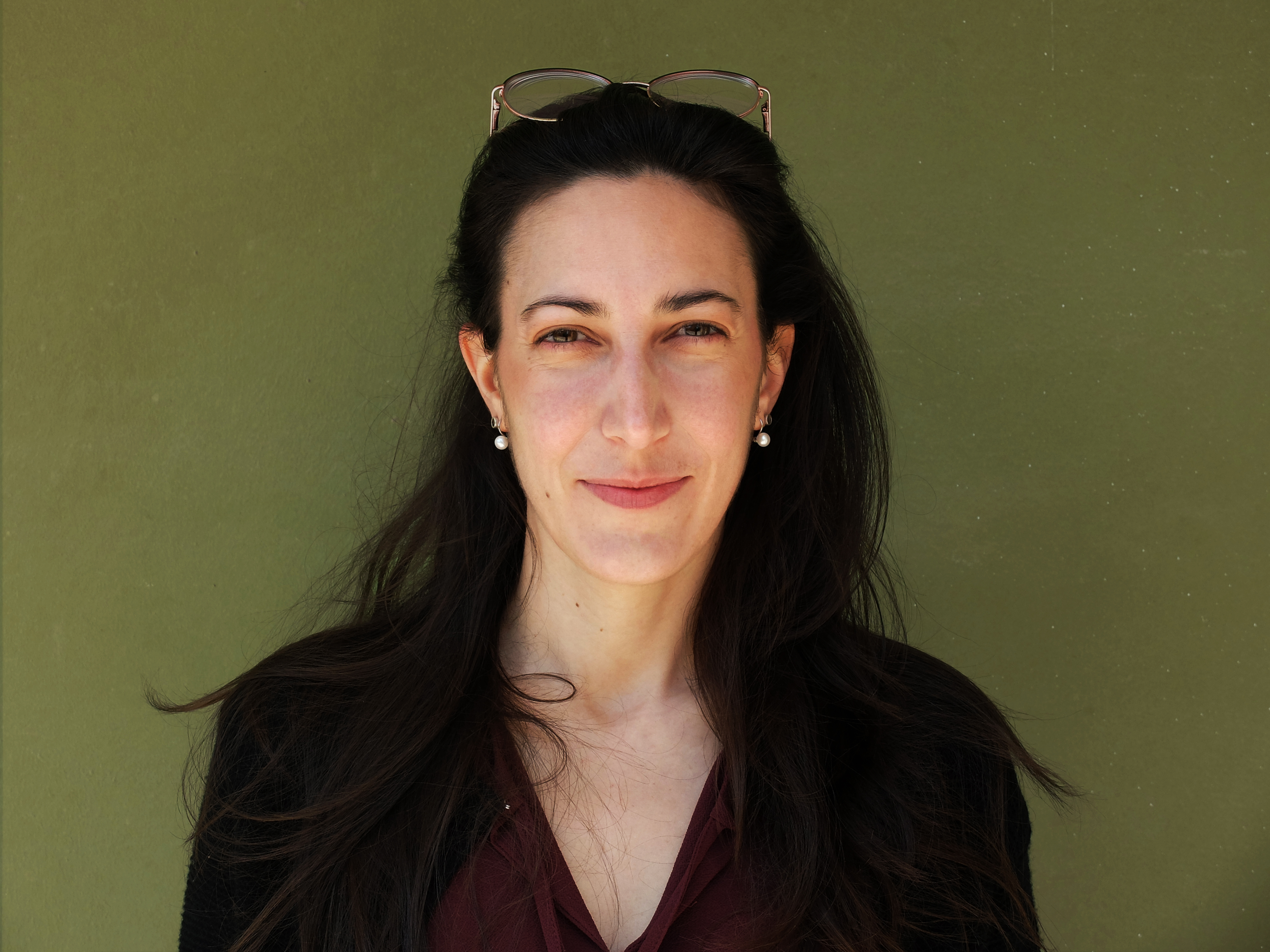
Giulia Mengoli is a researcher at the CMCC in the Impacts on Agriculture, Forests and Ecosystem Services division.
She holds a Bachelor’s degree in Biology, a Master’s degree in Ecobiology, and a PhD from Imperial College London. Giulia’s research interests include ecology, (eco)physiological processes, eco-evolutionary theory, and modelling how environmental conditions influence vegetation growth and land–atmosphere carbon, water and energy exchanges under climate change.
She is responsible for implementing the Productivity model in the Community Land Model, applying a first-principles approach to simulate plant responses across different timescales within Work Package 5 of the CONCERTO project, which aims to improve the representation of land–atmosphere exchanges.
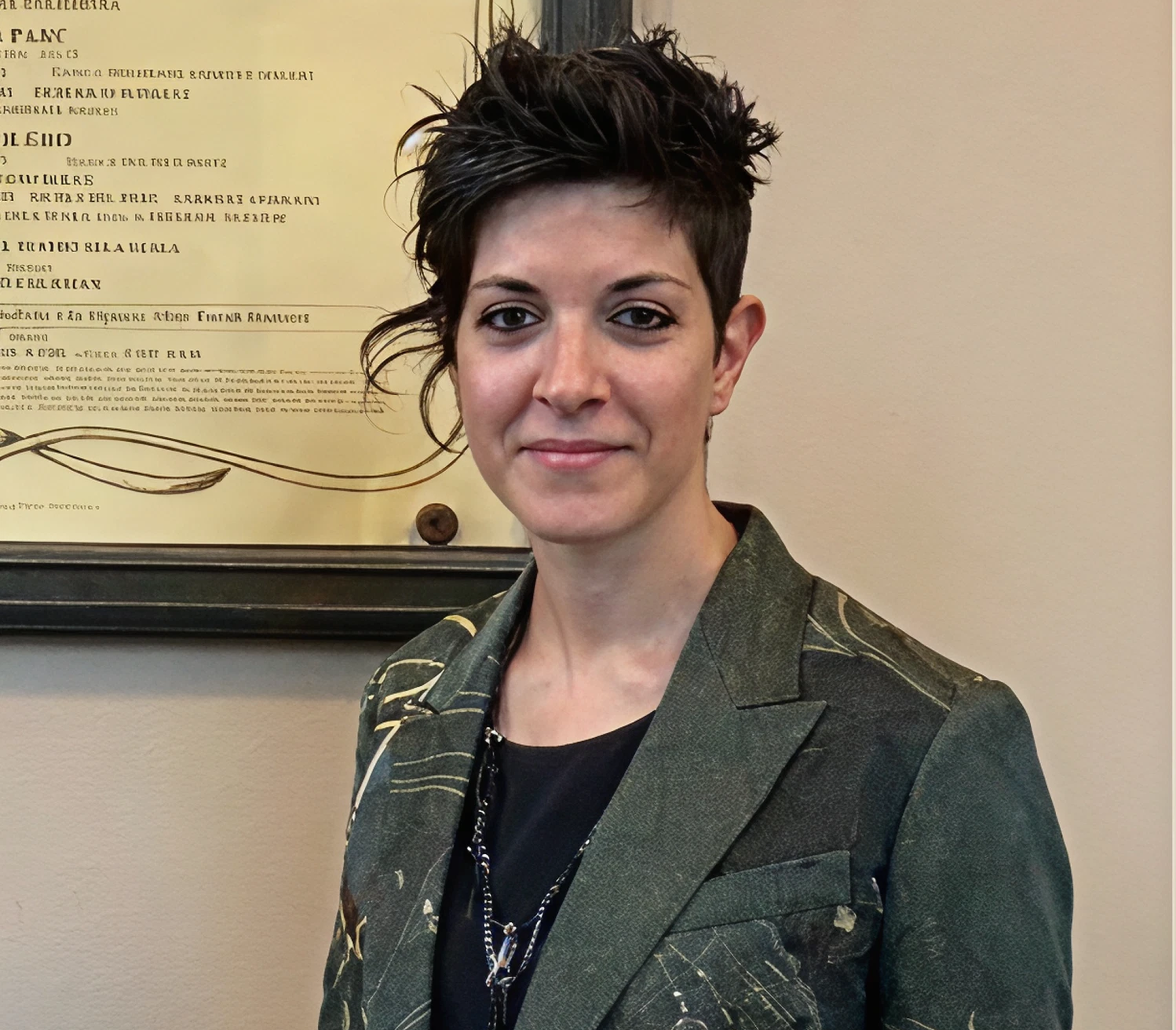
Sara Totaro is a Senior Project Manager at CMCC. She holds a degree in Pharmaceutical Chemistry and Technology, a postgraduate qualification in Forensic Sciences, and a PhD in Analytical Chemistry from the University of Modena and Reggio Emilia.
With her scientific background and extensive experience in EU-funded projects, Sara is responsible for the coordination and implementation of the CONCERTO project at CMCC, ensuring timely delivery of project outcomes, managing stakeholder engagement, and supporting strategic planning. Before joining CMCC, Sara held several positions at the European Commission’s Joint Research Centre (JRC), where she managed performance indicators for Horizon 2020 and Horizon Europe, contributed to corporate strategic planning, and led the development of data visualisation tools and collaborative workshops.
At CMCC, Sara brings together her scientific and managerial expertise to deliver impactful climate-related projects.
The Meteorological Environmental Earth Observation (MEEO) was created in 2004 with the aim to develop and commercialise products and services within the Earth observation, is a privately-held company devoted to the development and implementation of products and services based on remote sensing of the Earth-Atmosphere system. MEEO is able to provide a wide range of services and products “ready” (off the shelf) based on analysis of multispectral, multisensor and multitemporal satellite data for environmental monitoring, land management and agriculture.
Within the project, MEEO plays a key role in Work Packages 1 and 3, focusing on satellite data analysis and remote sensing applications.
Filippo Malvolti is a Data Analyst at MEEO S.r.l..
Filippo has a Bachelor's degree in Physics and a Master's degree in Astrophysics and Cosmology from Alma Mater Studiorum - University of Bologna. He collaborated with the Italian Institute for Astrophysics (INAF), gaining experience in the research environment. He is involved in various remote sensing and earth observation projects, where he focuses on both data management and technical implementations.
In CONCERTO, Filippo is part of the team responsible for the collection of data requirements and development of the Data Sharing Framework.
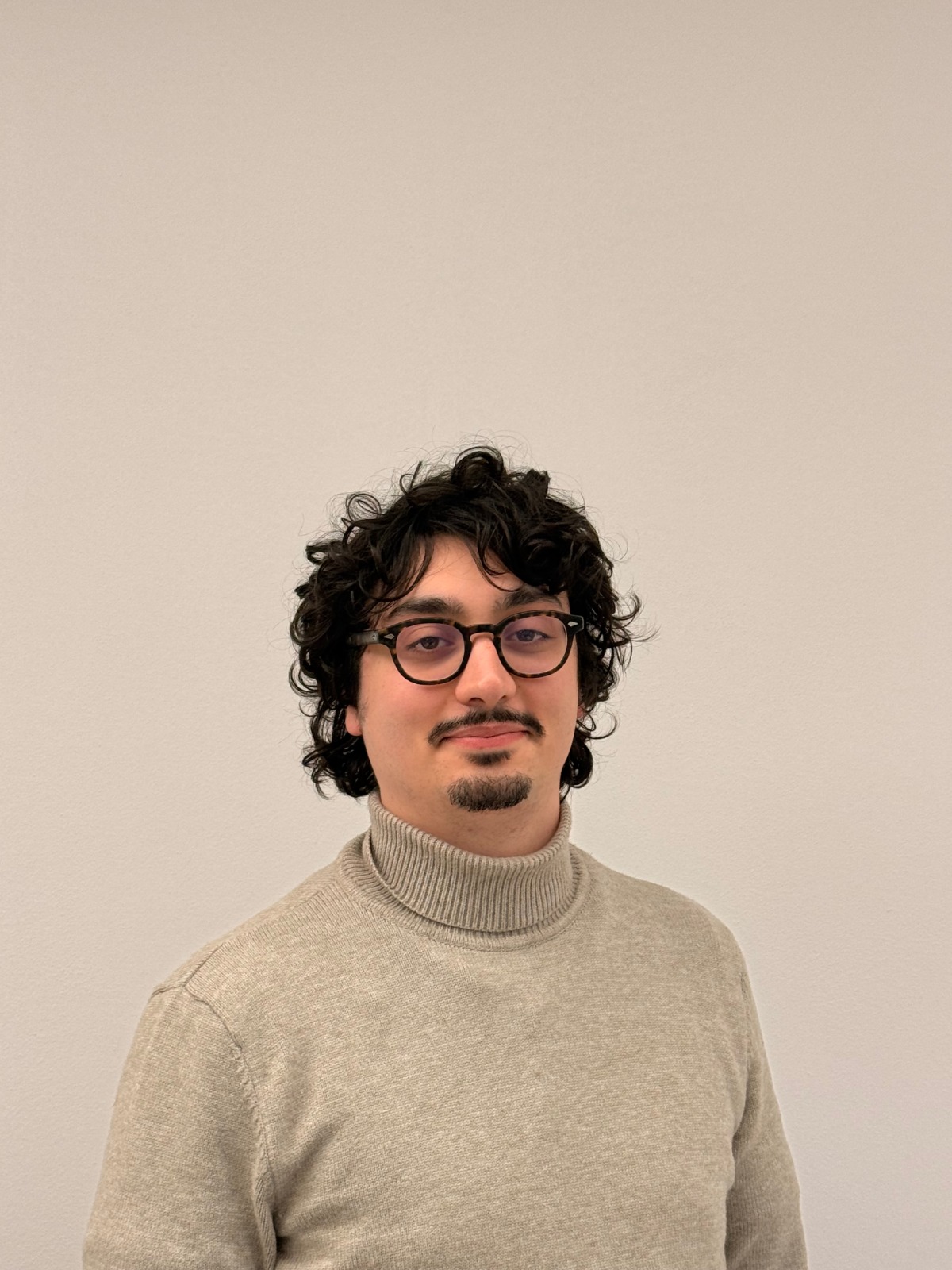
Gabriele Galli is a physicist specialising in Applied Environmental Physics. His previous experience is in gamma spectroscopy, Monte Carlo simulations, and data analysis within international research contexts.
Leveraging his expertise in computational tools and Earth Observation, Gabriele contributes to the technical development of the CONCERTO project. He is primarily responsible for dataset generation for training machine learning models, specifically focused on analysing and monitoring vegetation processes.
Marco Folegani has a Bachelor's degree in physics with 20 years of experience in climate data, remote sensing and earth observation sectors. Owner and founder of MEEO S.r.L., and SISTEMA GmbH, Marco has been covering several roles both in technical and management domains. Marco has expertise in data spatial infrastructures and data space design and implementation, in fund raising and project management to develop initiatives and in digital innovations.
His sectors of main interests span from climate change impacts in socio economic sectors, in cultural and natural heritage protection to digital innovation and knowledge development.
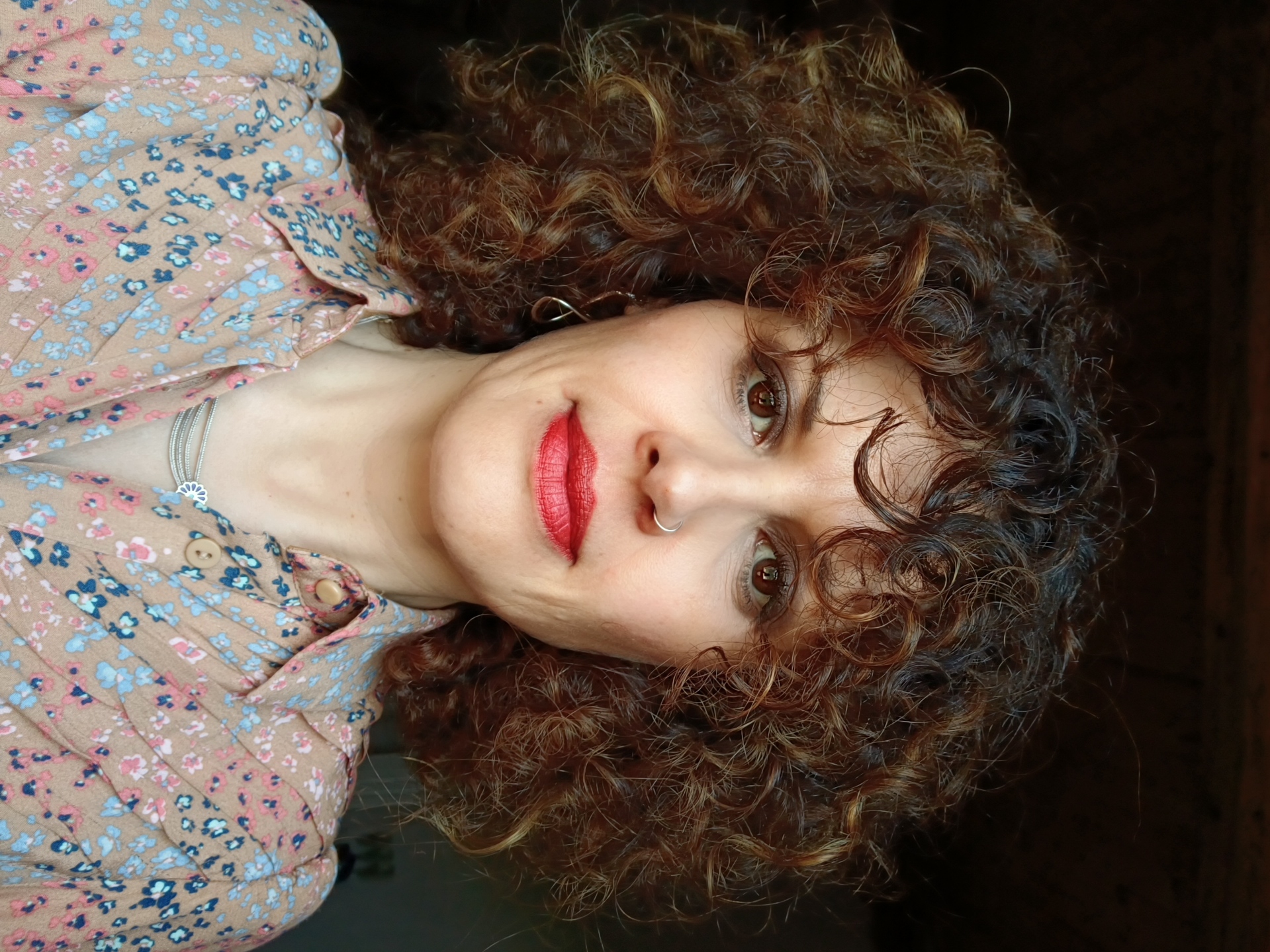
Maria Luisa Quarta has a master’s degree in Natural Sciences and a professional master in Geographic Information System. She works as Project Manager at MEEO and has an extensive experience in H2020 and H-Europe projects, where she contributed with her expertise in data management, environmental monitoring, and integration of Earth Observation data into operational services and decision support tools, with a focus on the agricultural sector, ocean monitoring, and the resilience of cultural heritage.
Leveraging her expertise in data management and Earth Observation data, she is coordinating the collection of data requirements for the development of the CONCERTO data sharing platform as well as the dataset generation for training machine learning models for vegetation processes.
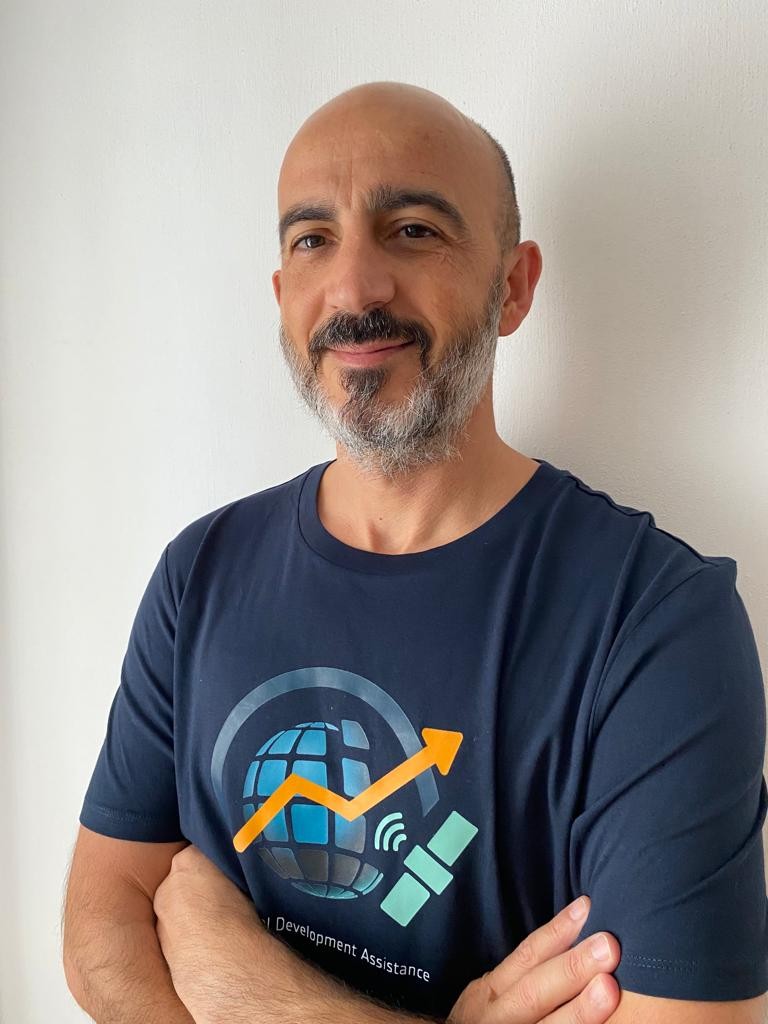
Simone Mantovani holds a degree in Physics from the University of Ferrara. As co-founder of MEEO S.r.l., he has overseen numerous national and international projects funded by the European Space Agency and the European Commission focusing on remote-sensing, atmospheric and climate data.
In this line of work, Simone has led the development of data access and processing infrastructure and services, enabling easier access to complex satellite and environmental data for research, policy and applied uses.
Politecnico di Torino is the first Italian Engineering School founded in the wave of the technical and scientific innovation that gave rise to the most prestigious European polytechnic schools in the mid-19th century. The Polito4Impact Strategic Plan established as one of the strategic guidelines the creation of value chains combining education, research, innovation, financial services and the enhancement of intellectual property.
POLITO is involved in Work Package 5, providing advanced engineering solutions and research support.



The European Centre for Medium-Range Weather Forecasts (ECMWF) is a research institute and a 24/7 operational service, producing global numerical weather predictions and other data for our member and cooperating States and the broader community. They are a key institution in Copernicus, the Earth observation component of the European Union’s space programme, offering quality-assured information on climate change, atmospheric composition, flooding and fire danger, and through the EU's Destination Earth initiative, they are developing prototype digital twins of the Earth.
ECMWF is a key partner in Work Packages 3, 5, and 6, where they provide expertise in numerical weather prediction and climate data modelling.
Imperial College London is a public research university in London, England. In 1988, Imperial merged with St Mary's Hospital Medical School and then with Charing Cross and Westminster Medical School to form the Imperial College School of Medicine. Imperial is organised into four faculties: Engineering, Medicine, Natural Sciences, and Business. The university fosters innovation and enterprise across all its faculties by integrating business courses into science degrees and providing business students with a scientific education.
ICL is actively engaged in Work Packages 4 and 5, providing research expertise in environmental science and technological innovation.
Catherine Morfopoulos’ research primarily focuses on bridging global-scale carbon modeling with processes occurring at the chloroplast scale. She works on constraining carbon fluxes into the land biosphere using satellite data, with particular attention to biogenic volatile organic compounds - especially isoprene. Her goal is to maximise the use of satellite observations by extracting relevant information and connecting it to the development needs of land surface models, enabling direct and meaningful comparisons.
Catherine collaborates with a wide range of experts, working across scales, from global land surface model simulations to model theory development, while also being involved in field and laboratory measurements. She is a member of the Mission Advisory Group for ESA’s FLEX mission and serves as co-leader of Work Package 4 on VOC modeling within the CONCERTO project, which aims to improve the representation of vegetation - atmosphere exchanges in Earth system models.
Prof. Colin Prentice, works in the Department of Life Sciences at Imperial College London and is Director of the Leverhulme Centre for Wildfires, Environment and Society. He has held many senior academic research and leadership positions at institutions across the world, including a founding Directorship of the Max Planck Institute for Biogeochemistry.
Colin’s research centres on understanding how plants react to, and interact with, changes in climate and other aspects of the physical environment. His work in CONCERTO applies eco-evolutionary optimality concepts to develop and test new quantitative theory for plant and ecosystem function and land-atmosphere exchanges of energy, water and carbon dioxide, with the goal of more robust and reliable numerical modelling of land processes in the Earth System.
The University of Reading is a public research university in Reading, Berkshire, England. It was founded in 1892 as University College, Reading, a University of Oxford extension college. Reading has four major campuses. In the United Kingdom, the campuses on London Road and Whiteknights are based in the town of Reading itself, and Greenlands is based on the banks of the River Thames in Buckinghamshire. It also has a campus in Iskandar Puteri, Malaysia. The university has been arranged into 16 academic schools since 2016.
UREAD is an essential partner in Work Package 6, contributing expertise in environmental and climate sciences.

Over the past two decades, Pensoft Publishers has been at the forefront of planning, managing, and executing dissemination and communication activities for a wide range of global, EU and national theoretical and applied research projects. With extensive experience gained through participation in more than 60 initiatives funded under FP6, FP7, Horizon 2020, and Horizon Europe - as well as by other European and national funding institutions, such as the German Federal Ministry of Education and Research, Biodiversa, Biodiversa+, and COST Actions - Pensoft has built a strong track record in science communication. Today, the Project department contributes to more than 35 Horizon Europe projects, taking the key role of dissemination, communication and exploitation work package leader. In addition to its strong expertise in science communication, Pensoft is an established open-access scientific publisher, renowned for its innovative journals and advanced publishing technologies that support the dissemination and semantic enrichment of research data and results.
PENSOFT plays a crucial role in Work Package 7, ensuring efficient dissemination and communication of project results.
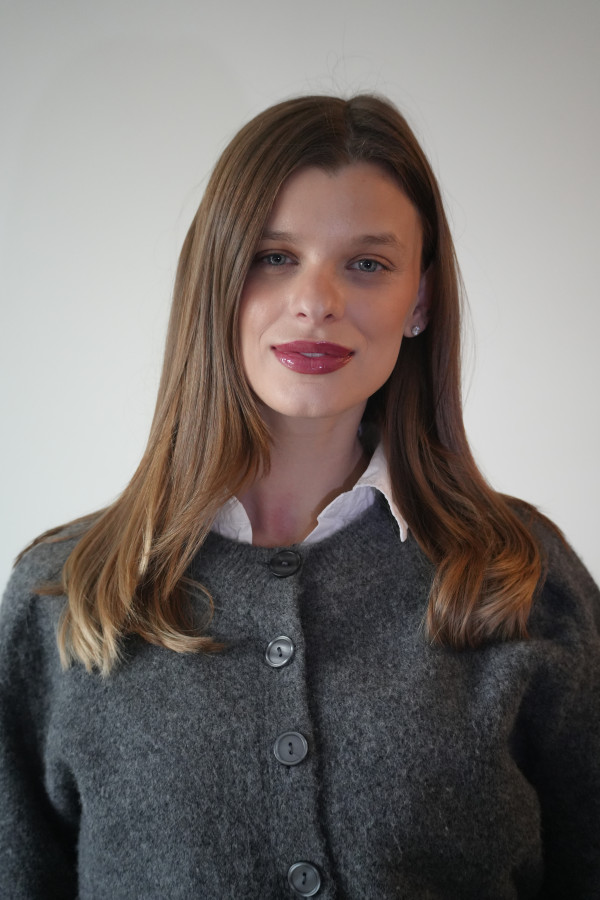
Gabriela Popova is a Senior Communications Officer at Pensoft Publishers. Gabriela has a double Bachelor’s Degree - one in Multimedia Design and Communications from the University College of Northern Denmark, and one in International Relations from the Aalborg University.
With her background and expertise in Communications, Gabriela is responsible for the development and implementation of sustainable communication and dissemination plans, managing social media, and creating engaging content into the CONCERTO project.
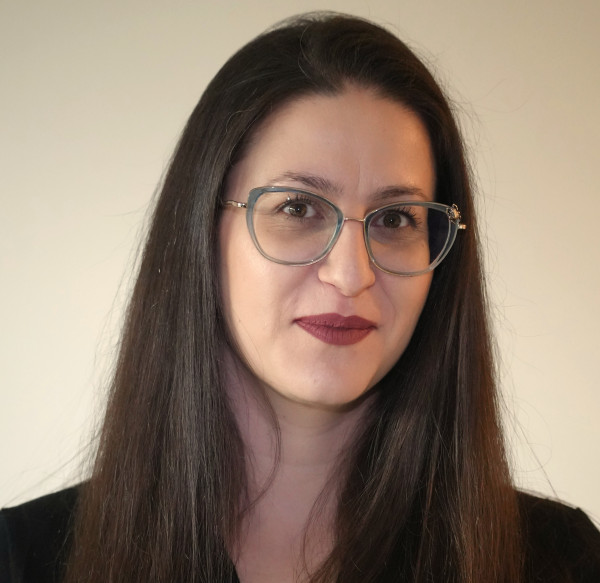
Raya Ganeva is a Communications Officer at Pensoft Publishers. Raya has a Bachelor’s Degree in Book Publishing from Sofia University “St. Kliment Ohridski”.
Leveraging her background in project management, Raya is a communication co-lead of the outreach activities of the CONCERTO project.
She is responsible for developing and implementing communication and dissemination strategies, managing social media presence, and creating content to enhance engagement and outreach.
SISTEMA was founded in 2009 as an extension of the research and development activities of MEEO Srl. Since then, they provide solutions for the unified use of a wide range of geospatial data based on cutting-edge technological approaches. SISTEMA uses the ADAM platform to facilitate the access to and processing of the data the customers need.
SISTEMA contributes to Work Packages 1, 3, and 7, enhancing geospatial data processing and integration methodologies.
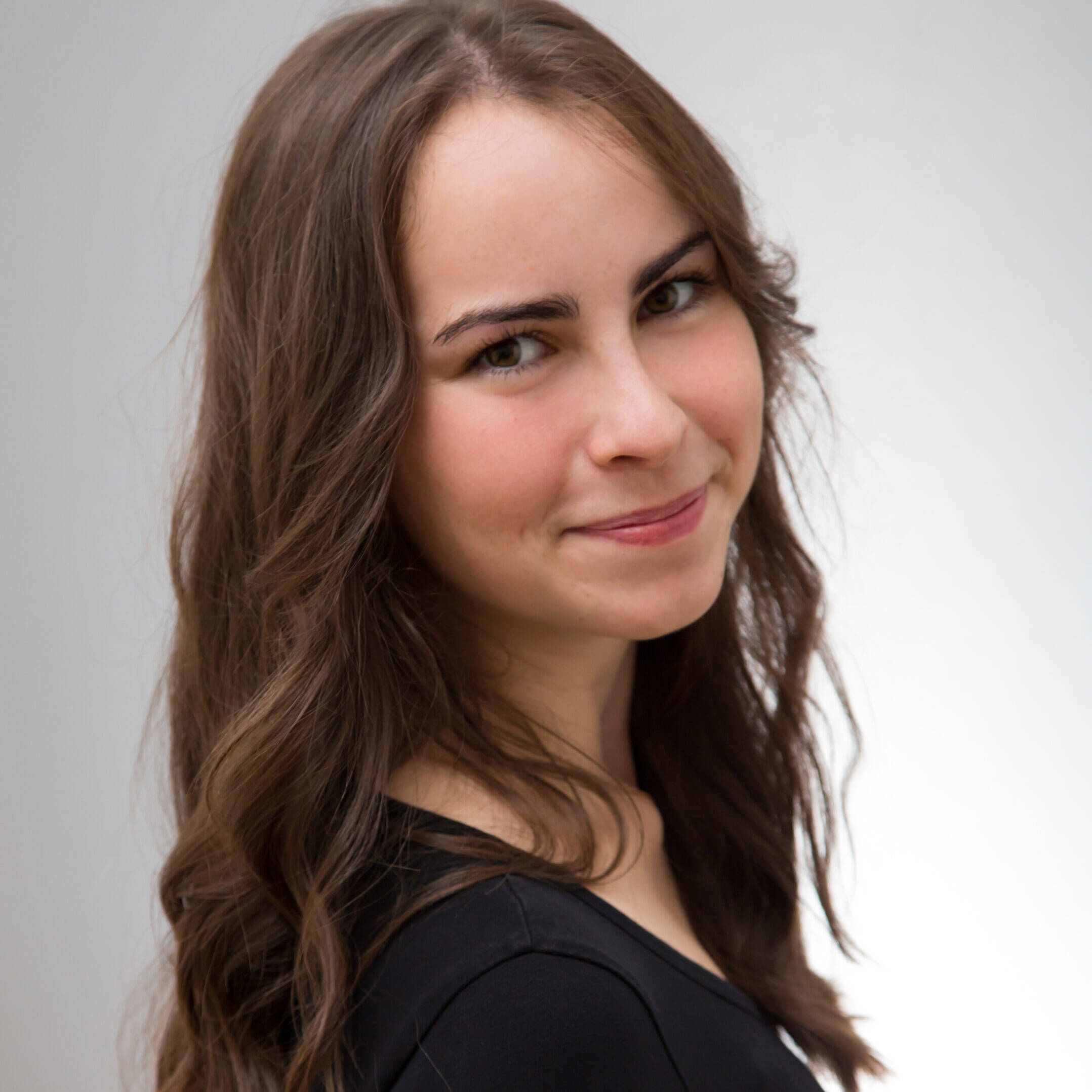
Julia Suskova is a Junior Data Scientist in SISTEMA GmbH, applying analytical and geospatial skills to environmental and climate-related projects. With a background in Earth System Science and Remote Sensing & GIS, she has developed strong expertise in satellite data processing, spatial analysis, and modeling.
She has previous experience working on projects related to drought monitoring, above-ground biomass estimation, and risk assessment in data-scarce areas, combining scientific understanding with technical proficiency to support data-driven environmental research and applications.
Sabrina Outmani is a project and service manager at SISTEMA. She is responsible for overseeing the technical and functional executions of multiple activities.
With a solid background in physics and remote sensing applications, she has contributed to the design and implementation of advanced algorithms dedicated to environmental risk assessment across diverse domains, including flood hazards, ocean pollution, infrastructure monitoring, and climate change impacts on urban and rural areas
Stefano Natali is an expert in Earth observation and remote sensing, with over two decades of experience in environmental monitoring and geospatial data services. In 2004, he co-founded MEEO S.r.l. (Meteorological and Environmental Earth Observation), based in Ferrara, originating from his entrepreneurial passion to develop innovative environmental services. In 2009, he co-established SISTEMA GmbH in Vienna, Austria.
Stefano serves as Space Business Manager bridging technical R&D with market-driven solutions for environmental geospatial data applications. Under his guidance, the company focuses on extracting environmental parameters from satellite data, particularly emphasising air quality monitoring, climate change impacts and applications related to agriculture and crop health.

The University of Twente is a public technical university located in Enschede, Netherlands. The university was established in 1961 and has been placed in the top 170 universities in the world by multiple central ranking tables. In addition, the UT was ranked the best technical university in The Netherlands by Keuzegids Universiteiten, the most significant national university ranking.
UT participates in Work Packages 1, 3, and 4, focusing on technological innovations and data-driven environmental research.